
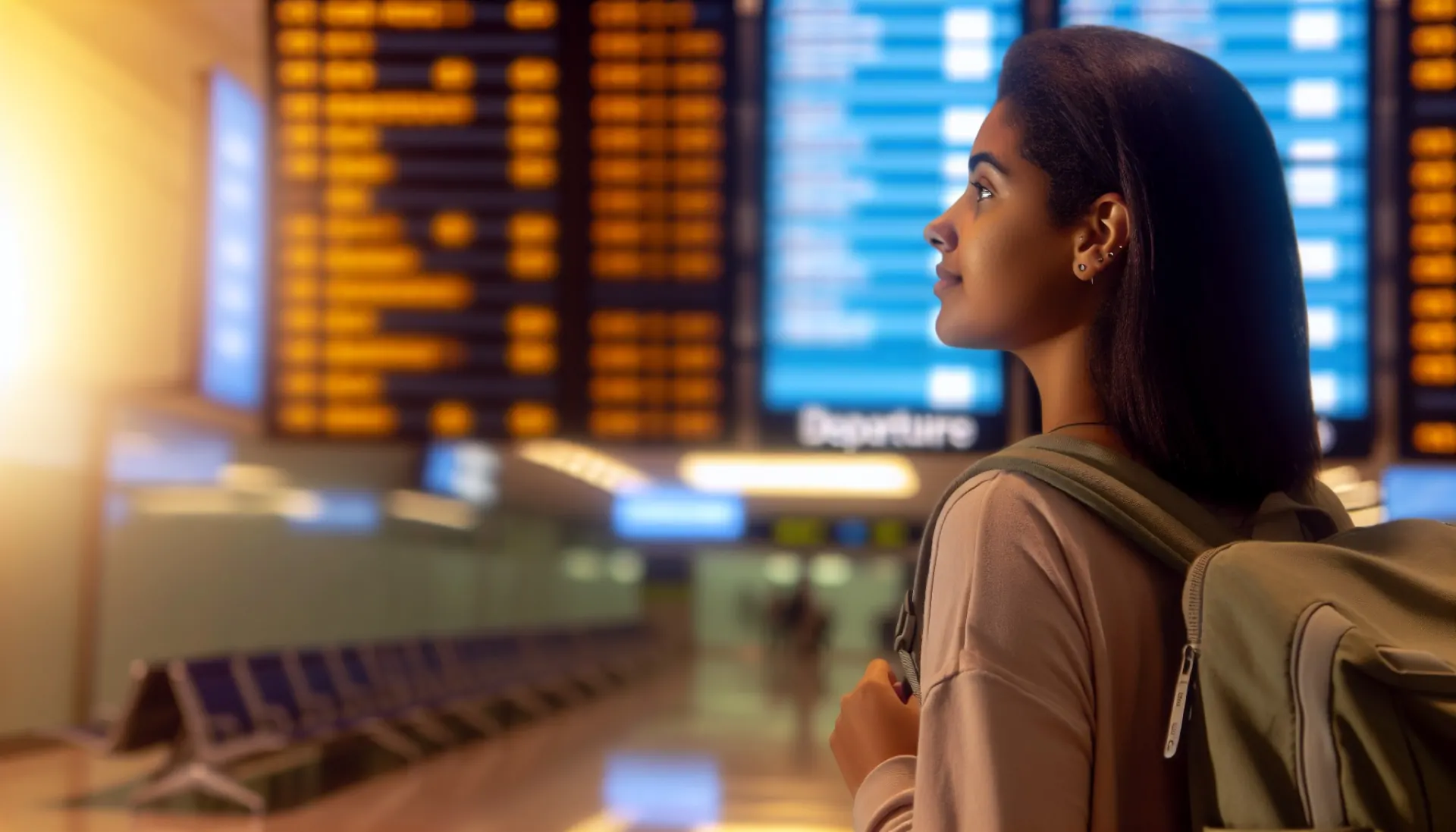
You have secured an internship abroad. Your parents are worried. Your friends are excited. And somewhere between the Instagram highlights and the news headlines, you are trying to figure out: is it actually safe for me to do this alone?
We have placed hundreds of female students in internships across 30+ countries. Some went to Tokyo and felt safer than they do in London. Others went to Cape Town and had the time of their lives while staying smart about their surroundings. Here is what we actually tell our female interns - the honest version, not the brochure version.
The Short Answer
Most internship destinations are safe for women with standard precautions. The same common sense you use walking home at night in Manchester or taking a taxi in Birmingham applies abroad. The difference is that you are less familiar with the environment, which means you need to prepare more - not panic more.
The data backs this up. Over the past five years, the number of solo female travellers and interns globally has grown by over 50%. Infrastructure has improved. Apps like Uber and Google Maps have removed a huge amount of the risk that previous generations faced. You can share your live location, call for verified transport, and translate any conversation in real time.
Fear of the unknown is normal. But statistically, most safety incidents abroad are the same ones that happen at home - petty theft, drink spiking, walking in poorly lit areas late at night. The difference is preparation, not destination.
Do not let fear stop you from doing something that will genuinely change your career and your confidence. But do take it seriously. This guide helps you do both.
Safest Destinations for Female Interns
Based on global safety indices, public transport reliability, our intern feedback, and walkability after dark, these are the destinations where our female interns consistently report feeling safest.
Tokyo consistently tops global safety rankings for women. The public transport system is clean, on time, and has women-only carriages during rush hour. Violent crime is extremely rare. You can walk through most neighbourhoods at any hour without concern.
Singapore has some of the strictest law enforcement in the world. Streets are well-maintained and well-lit, public transport runs efficiently, and the expat community is large and welcoming. The tropical heat is the biggest challenge you will face.
Dublin and Amsterdam offer the comfort of being close to home, culturally familiar, and easy to navigate. Both have strong intern communities, meaning you will meet other students quickly. Amsterdam's cycling culture means you are always in control of your own transport.
Sydney combines a relaxed outdoor culture with excellent safety infrastructure. Beaches, national parks, and the city centre are all well-patrolled. The intern and backpacker community is enormous, so you will never feel isolated.
Prague is one of Europe's most affordable and safest capitals. The city centre is compact and walkable, public transport is reliable and cheap, and violent crime against tourists is very rare.
Destinations That Need More Awareness
These are not unsafe destinations. We would not send interns there if they were. But they require more cultural awareness, neighbourhood knowledge, and situational preparation than the cities listed above.
Cape Town is one of our most popular destinations and for good reason. The professional opportunities are outstanding and the lifestyle is unbeatable. However, safety varies significantly between neighbourhoods. You need to know which areas to avoid after dark and always use app-based transport rather than flagging down taxis on the street.
Nairobi is East Africa's business hub with a growing startup scene. Female interns thrive here, but you should plan your transport in advance, avoid walking alone at night in unfamiliar areas, and keep valuables out of sight. Our local coordinators will brief you on exactly which areas to explore and which to avoid.
Mexico City is culturally rich, affordable, and has a massive expat community. Stick to well-known neighbourhoods like Roma, Condesa, and Polanco. Use Uber or DiDi rather than street taxis. The metro has a women-only section during rush hours.
Bangkok and Bali are extremely popular with solo female travellers. In Bangkok, the main concern is petty scams rather than personal safety. In Bali, road safety on scooters is a bigger risk than crime. Both destinations have large communities of female travellers and expats you can connect with immediately.
Practical Safety Rules That Actually Matter
Skip the generic advice. These are the specific rules our female interns tell us made the biggest difference.
- Share your live location with someone at home. WhatsApp and Google Maps both have live sharing. Turn it on your first day and leave it running for the entire placement. If something goes wrong, someone always knows where you are.
- Use Uber, Bolt, or Grab instead of street taxis. App-based transport gives you a tracked route, a driver ID, and a digital receipt. In every single one of our "more awareness" destinations, this is the number one rule. No exceptions after dark.
- Be drink-aware in social settings. This is the same rule you follow at home, but it matters more when you are in an unfamiliar place. Watch your drink, know your limits, and always have a plan to get home that does not depend on someone else.
- Vet your accommodation before you book. Check Google reviews, Street View the area, and look for secure entry (key fob, doorman, or gated compound). Ask about the neighbourhood in female travel forums. We vet all our recommended accommodation, but if you are arranging your own, do the research.
- Get a local SIM card on day one. Do not rely on hotel WiFi or roaming. A local SIM gives you data for maps, transport apps, and emergency calls everywhere you go. Most airports sell them in arrivals for under £10.
- Register with the British Embassy. It takes two minutes on the GOV.UK travel abroad page. If there is a natural disaster, political unrest, or any emergency, the embassy knows you are in the country and can reach you.
- Save local emergency numbers before you need them. Police, ambulance, and your in-country coordinator. Add them to your phone on day one, not when something happens.
- Walk with purpose. This sounds simple, but it works. Looking confident and knowing where you are going makes you significantly less of a target for petty crime in any city worldwide.
What Our Female Interns Actually Say
We asked recent female interns for their honest experience. No editing, no filtering.
I was nervous about going to Tokyo alone. Within three days I realised it was the safest place I have ever been. I walked home at 1am through residential streets and felt completely fine. The convenience stores are open 24/7 and there are always people around. I genuinely felt safer than I do in my university city.
Sophie, 21 - Marketing intern in Tokyo, 12 weeksCape Town requires awareness, full stop. I would not walk around certain areas alone after sunset and I always used Uber. But during the day, in the areas I lived and worked in, it was incredible. I felt welcomed everywhere. The key is knowing which neighbourhoods are fine and which are not, and our coordinator was really clear about that from day one.
Priya, 22 - NGO intern in Cape Town, 8 weeksBarcelona was easy. I had done a semester abroad before so I was used to being in a new city, but even if it had been my first time I think I would have been fine. The only issue was petty pickpocketing on the metro, which you just need to be aware of. I never once felt unsafe as a woman - the culture is very social and open and I made friends within the first week.
Hannah, 20 - Design intern in Barcelona, 10 weeksHow We Support Female Interns
We take the safety of every intern seriously, and we know that female students often have specific concerns that deserve specific support.
- 24/7 emergency support line. Available throughout your entire placement. Not a chatbot. A real person who knows your destination and can help immediately.
- Vetted accommodation. Every accommodation we recommend has been checked for secure access, safe neighbourhood, and proximity to your workplace and public transport. We do not suggest anywhere we would not stay ourselves.
- Female mentors where possible. In many destinations, we can connect you with a female former intern or local coordinator who knows the city from a woman's perspective. They will tell you things a guidebook will not.
- Pre-departure safety briefing. Before you leave, you will receive a destination-specific briefing covering transport, neighbourhoods, cultural norms, emergency contacts, and the practical dos and don'ts. This is not generic advice - it is written by people who have lived and worked there.
- In-country coordinator. Every destination has a local coordinator who is your first point of contact for anything from a lost passport to feeling uncomfortable in your workplace. They are there for the small stuff as much as the big stuff.
Questions to Ask Before You Go
Before you confirm your placement, work through this checklist. If you can answer yes to all of these, you are well prepared.
- Have I researched my specific neighbourhood (not just the city)?
- Do I know how I will get from the airport to my accommodation on arrival?
- Have I registered with the British Embassy for my destination?
- Do I have travel insurance that covers the full duration of my placement?
- Have I shared my accommodation address and workplace details with family?
- Do I know the local emergency number for my destination?
- Have I downloaded offline maps for my city?
- Do I have a plan to get a local SIM card on arrival?
- Have I joined any online groups for female expats or interns in my destination?
- Have I read the FCDO travel advice for my destination country?
- Do I have access to our 24/7 support line number?
- Have I attended the pre-departure safety briefing?
Every experienced female traveller will tell you the same thing: the nervousness fades fast. Within a few days of arriving, your new city starts to feel like home. You will build routines, find your favourite coffee shop, learn which streets to take. The version of yourself that comes back from an internship abroad is braver, sharper, and more confident than the one who left. That is worth the initial discomfort.
Frequently Asked Questions
Is it safe to intern abroad as a solo female student?
Yes, the vast majority of our female interns complete their placements without any safety incidents. Like travelling anywhere, it requires sensible precautions - sharing your location, using reputable transport, and vetting accommodation. Most popular internship destinations have well-established infrastructure for international visitors and low crime rates in professional areas.
What are the safest countries for female interns abroad?
Based on safety indices and feedback from our female interns, the safest destinations include Tokyo (Japan), Singapore, Dublin (Ireland), Amsterdam (Netherlands), Sydney (Australia), and Prague (Czech Republic). These cities combine low crime rates, reliable public transport, and well-lit urban areas with strong professional environments for interns.
Should I avoid certain internship destinations as a woman?
We do not tell female students to avoid any of our destinations. However, some cities require more cultural awareness and preparation than others. Destinations like Cape Town, Nairobi, Mexico City, São Paulo, Bangkok, and Bali are all popular with our female interns but benefit from extra research on local customs, transport safety, and neighbourhood awareness before arrival.
What safety support does Internship Abroad provide for female students?
We provide a 24/7 emergency support line, vetted accommodation with secure access, destination-specific safety briefings before departure, connections with female mentors and past interns where possible, and help with local SIM cards and emergency contacts on arrival. Our in-country coordinators are available for any concerns during your placement.
How can I prepare for safety as a female intern abroad?
Key preparation steps include: researching your specific neighbourhood (not just the city), registering with the British Embassy, buying a local SIM card immediately on arrival, sharing your live location with family, downloading offline maps, saving local emergency numbers, joining online groups for female expats in your destination, and attending our pre-departure safety briefing.
Do I need different travel insurance as a solo female intern?
You do not need gender-specific insurance, but you should ensure your travel insurance covers the full duration of your internship, includes medical evacuation, covers personal belongings and theft, and has a 24-hour emergency helpline. We recommend policies designed for long-stay working travellers rather than short holiday cover. Check that your policy covers your specific destination and any activities you plan to do.
Ready to start planning your internship abroad?
We will help you find a verified placement, vet your accommodation, and support you every step of the way - before, during, and after your internship.
Start Your Application